


EnVision Mission: Czech consortium brings the European instrument one step closer to Venus
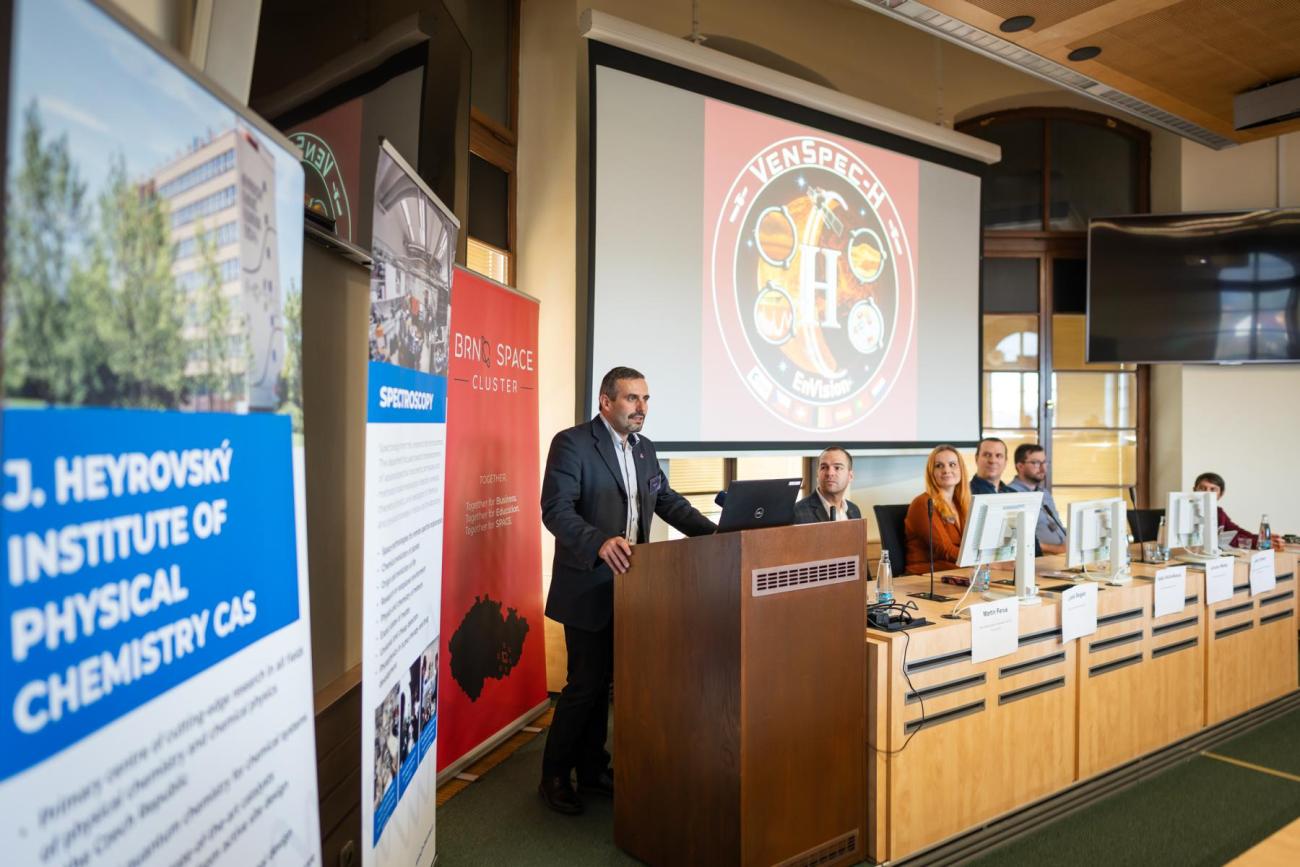
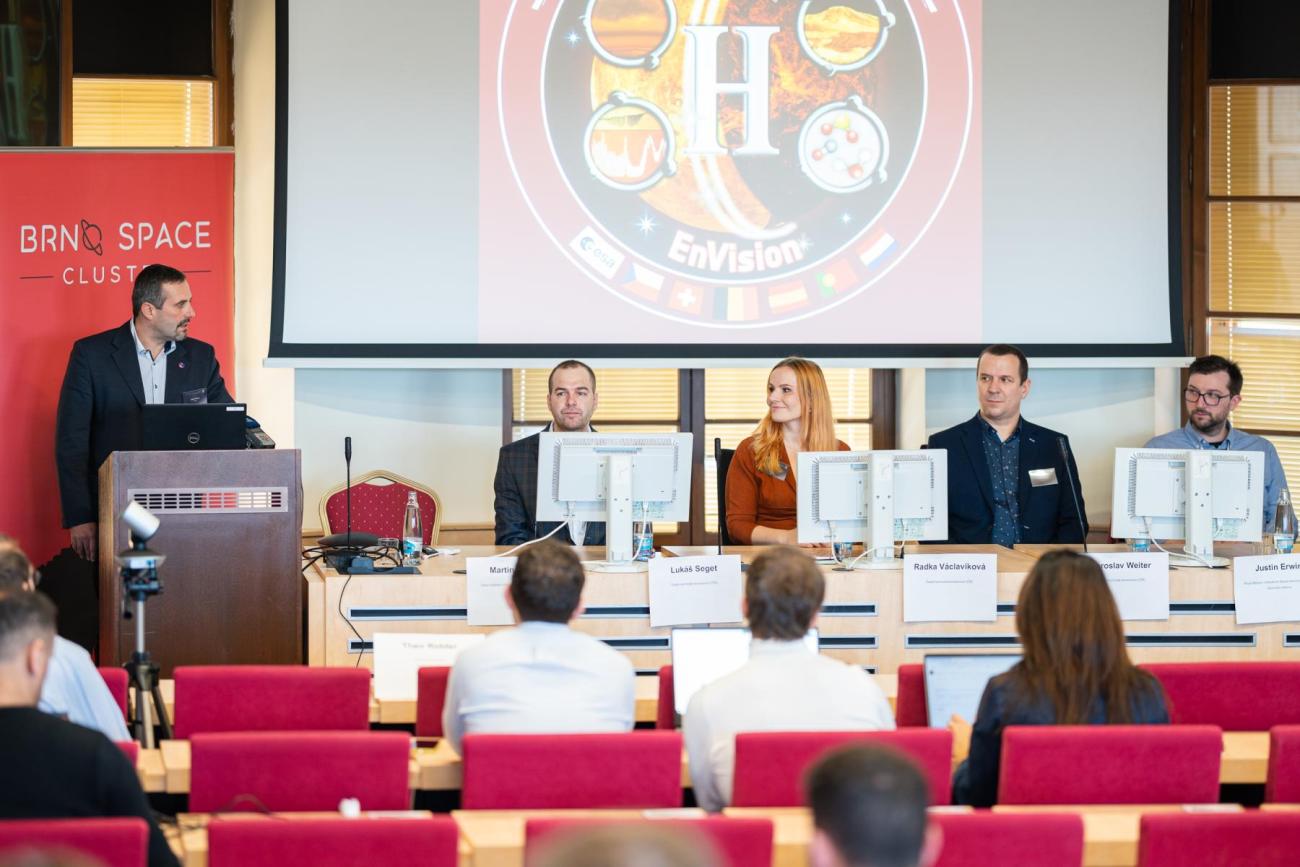
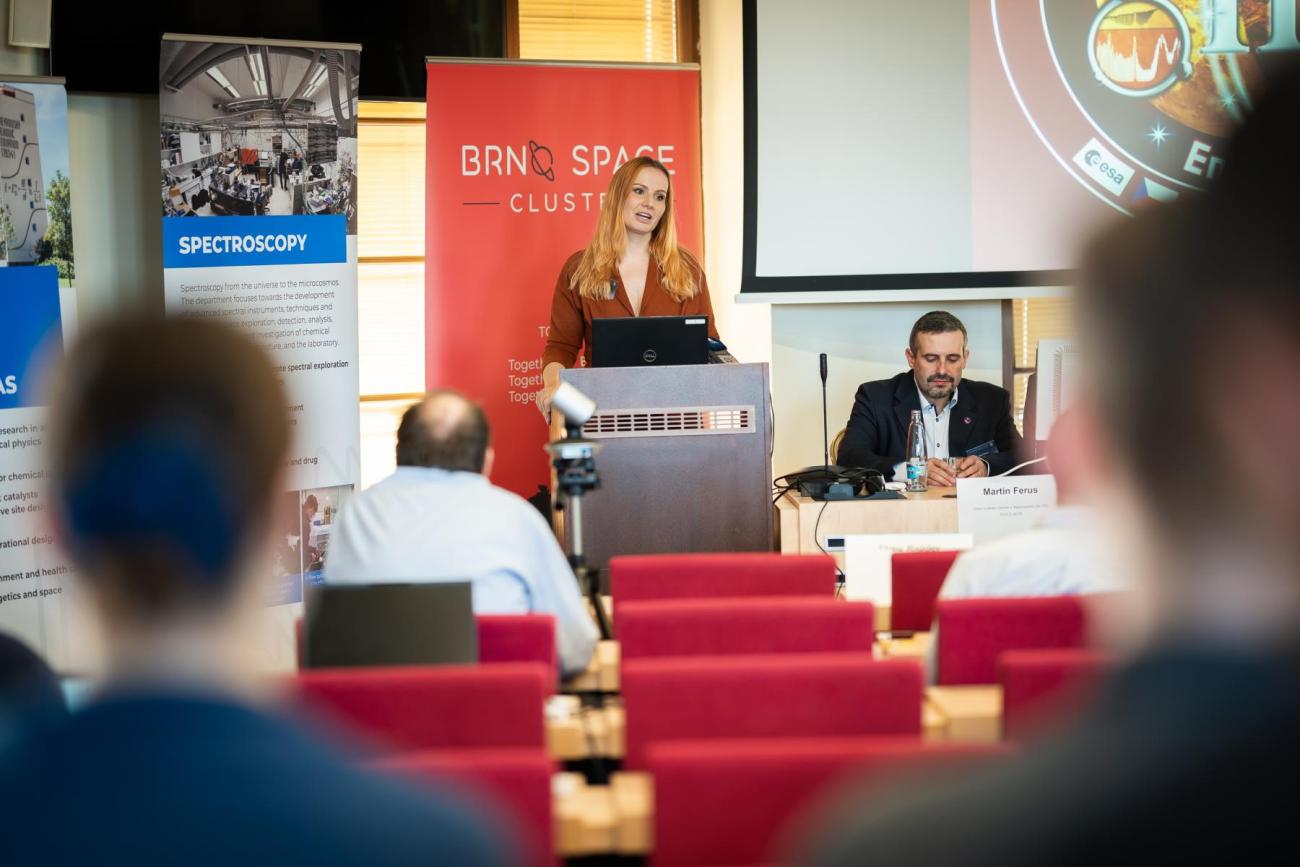
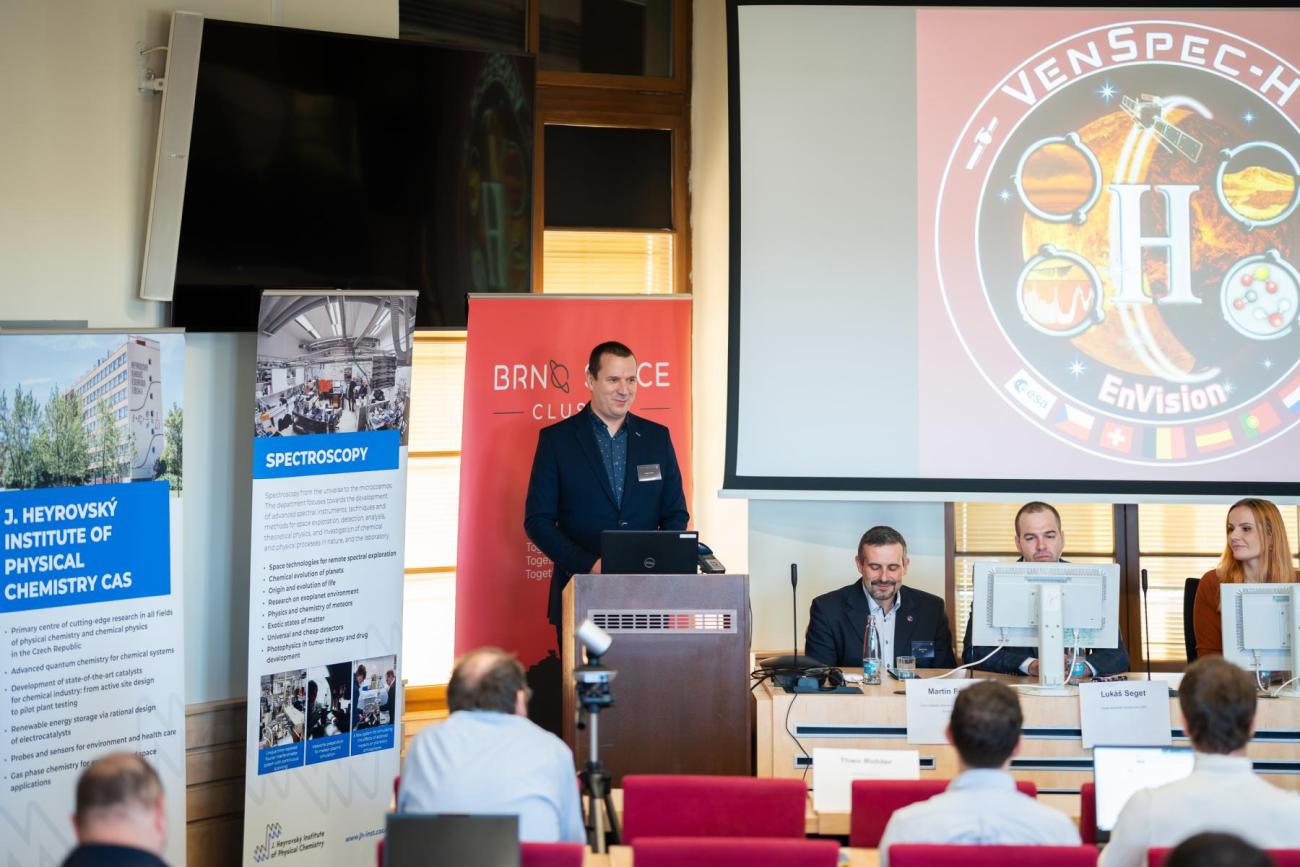
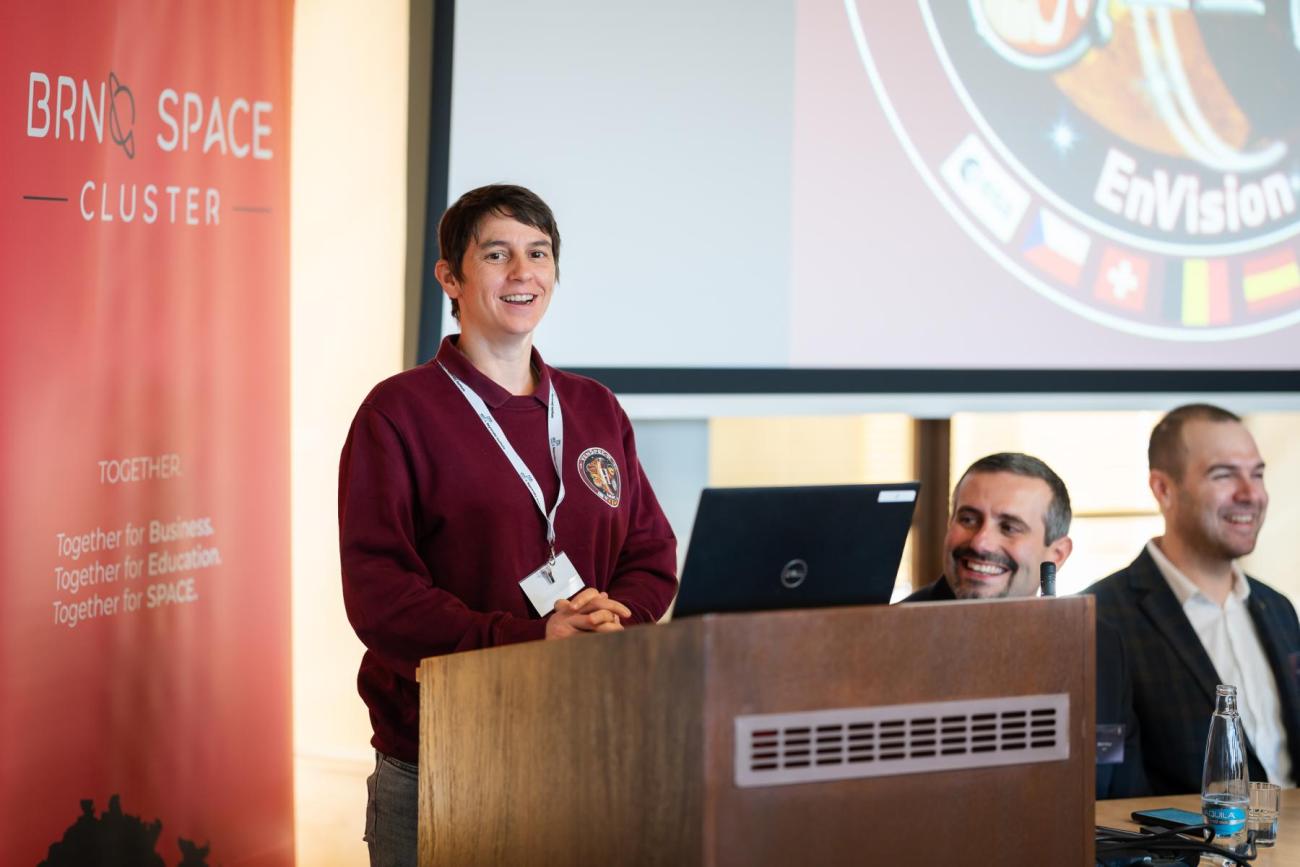
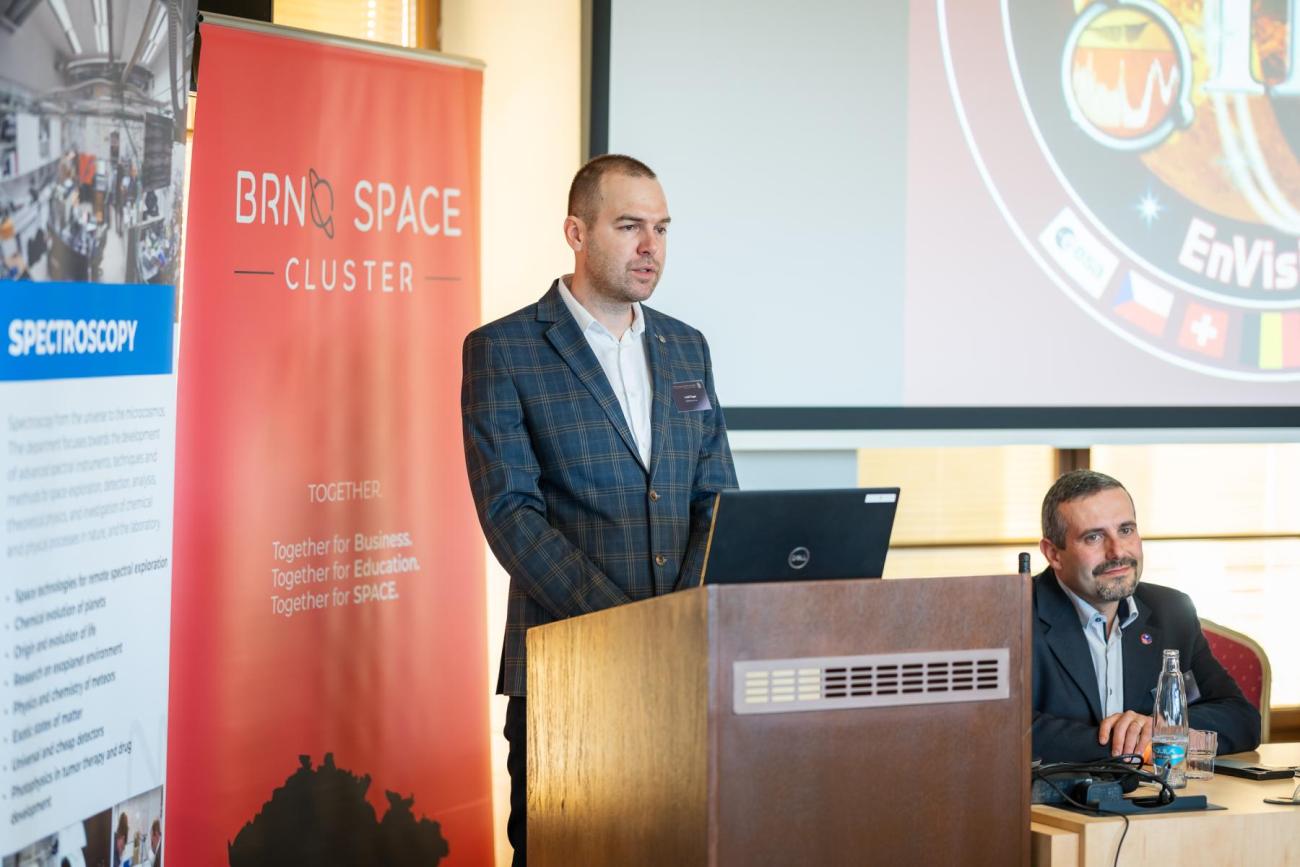
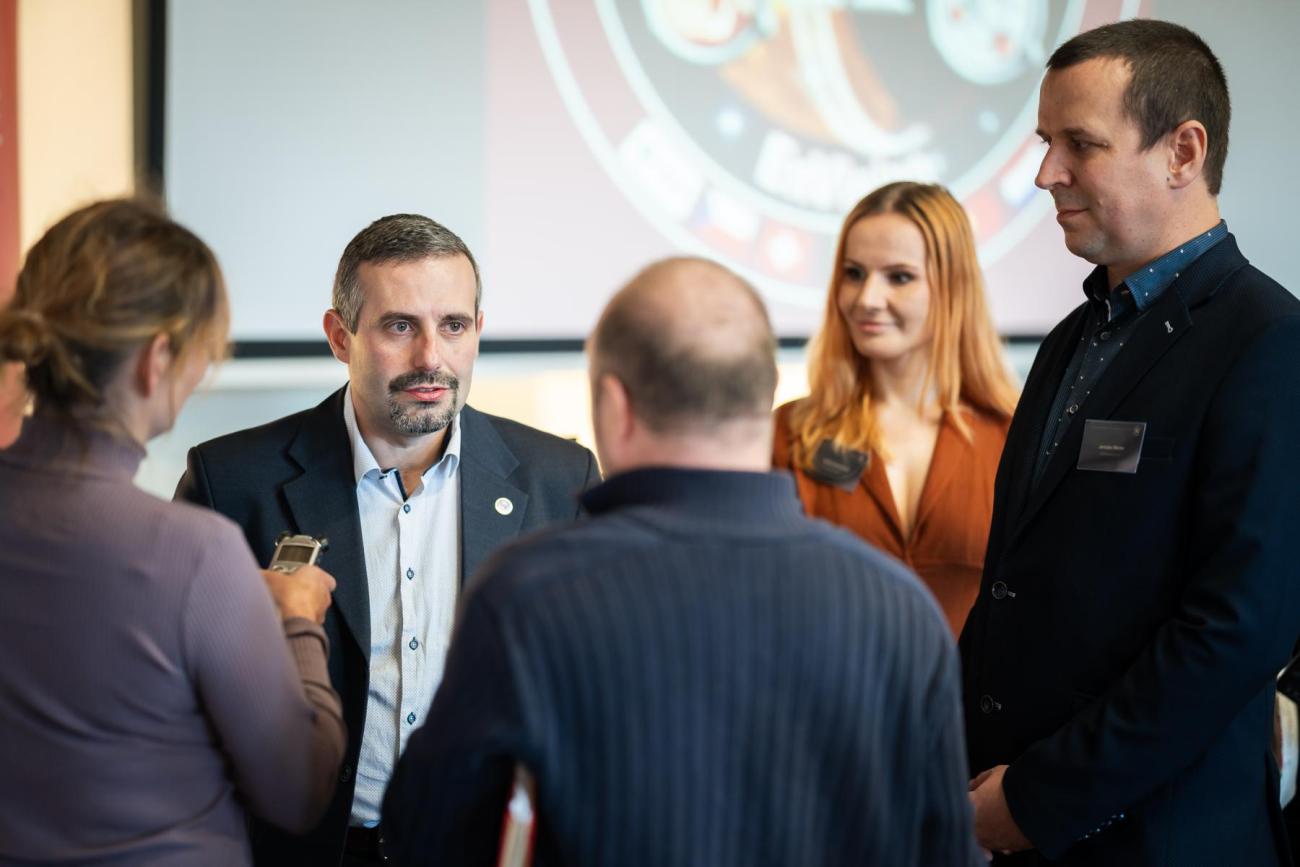
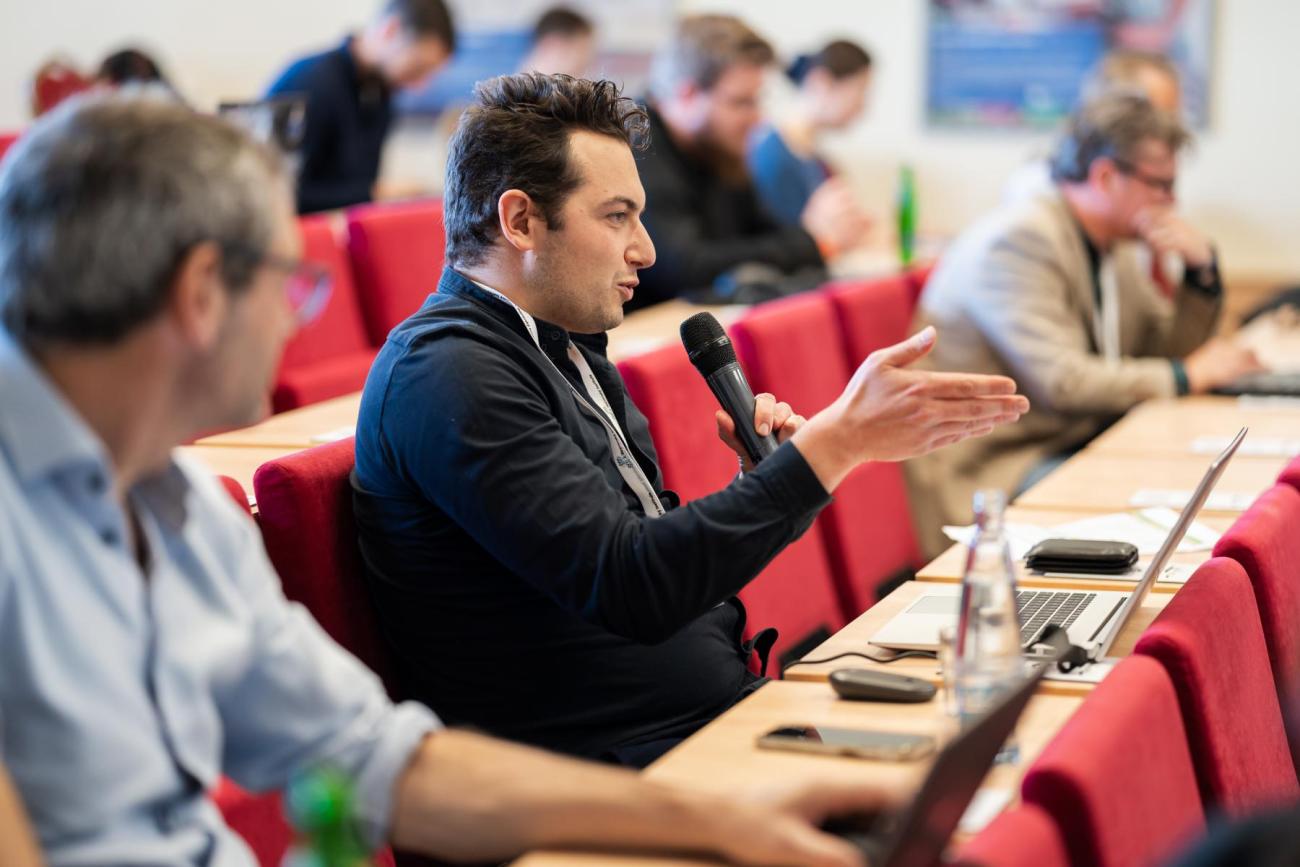
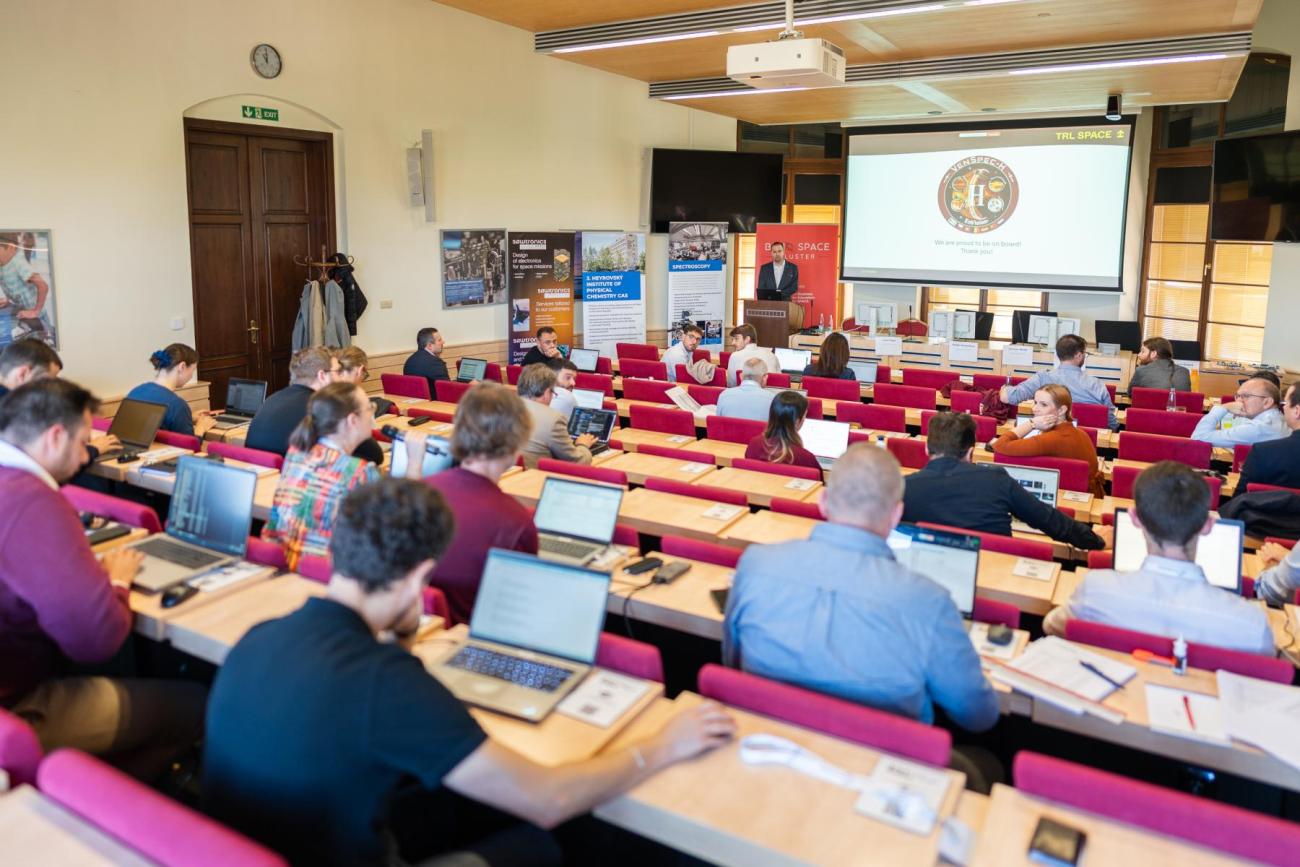
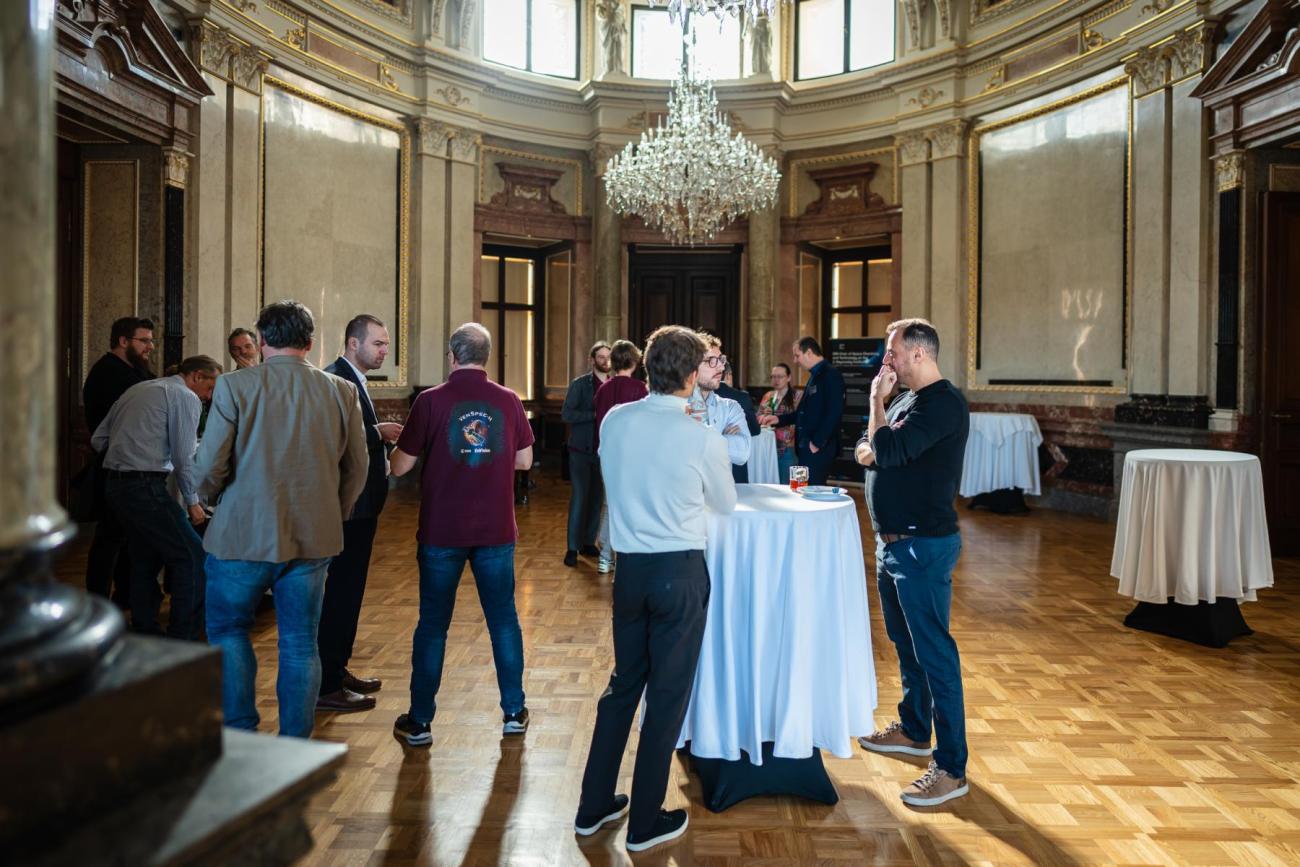
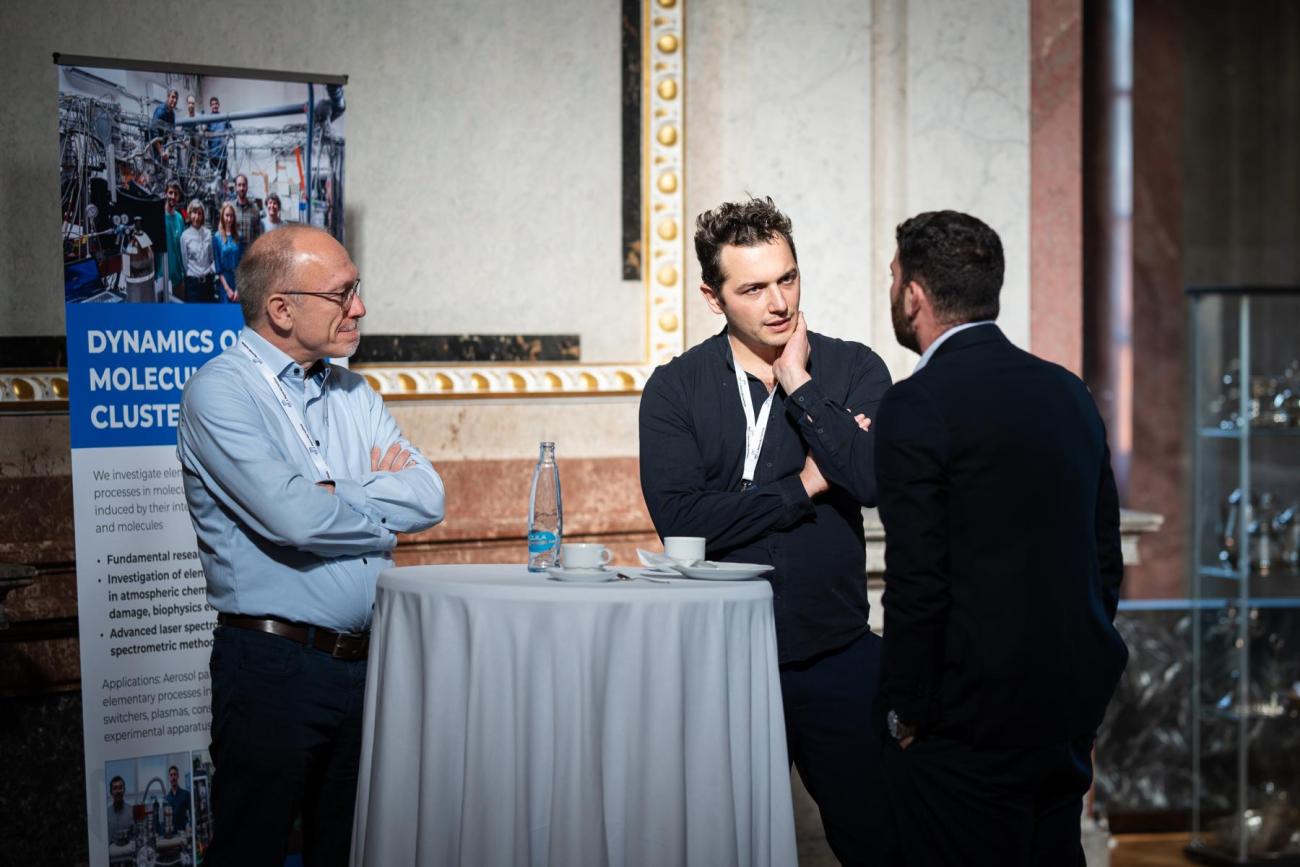
From October 27 to 30, 2025, the consortium of the EnVision/VenSpec-H project gathered for a meeting at the Liblice Chateau, attended by approximately 40 experts from the fields of science and industry.
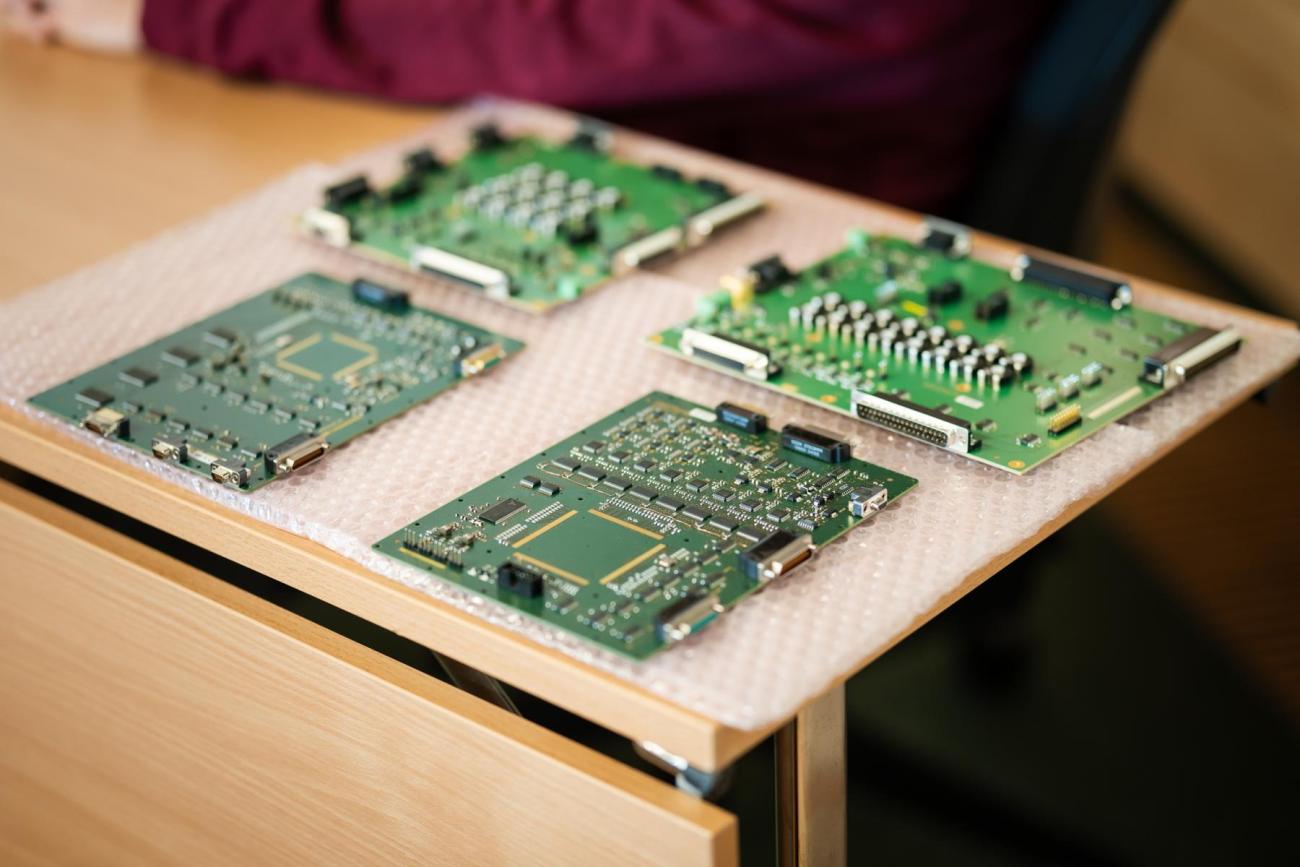
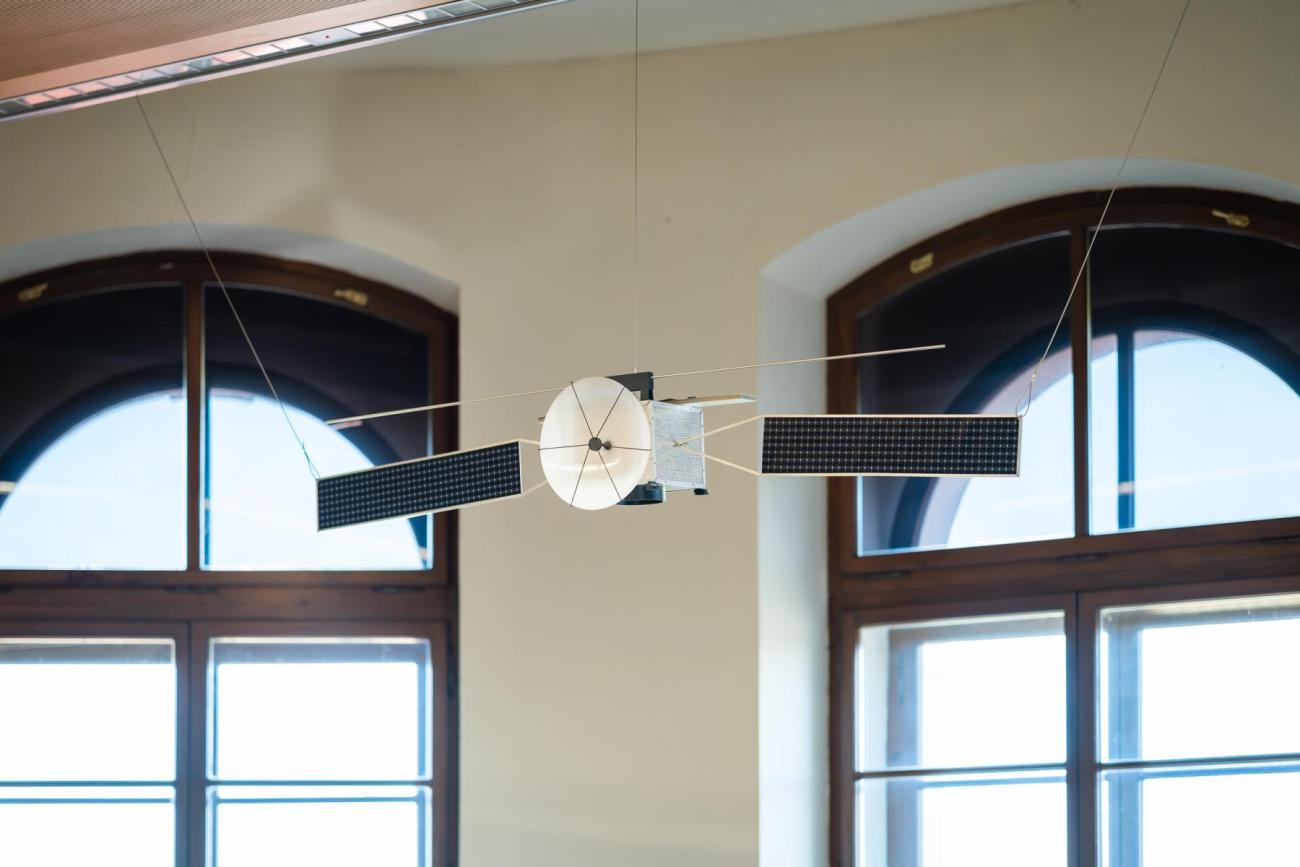
The goal of the EnVision mission, led by the European Space Agency (ESA) in collaboration with NASA, is to explore the atmosphere of Venus in detail. The task of Czech experts within this mission is to design and manufacture electronic components of the VenSpec-H spectrometer, which will measure the concentrations of trace molecules in the lower layers of the atmosphere, including hydrogen isotopes in water vapor.
“Precise data on light and heavy hydrogen in Venus’s atmosphere, which contains only very little water vapor, may help us estimate whether the planet evaporated its surface water and turned into a hellish world after a habitable period — or whether it was a volcanic world shrouded in dense clouds from the very beginning,” said Martin Ferus from the J. Heyrovský Institute of Physical Chemistry of the Czech Academy of Sciences, the main coordinator of the Czech contribution to the EnVision mission.
Over the course of the three-day program, participants shared updates on the progress of the VenSpec-H project, test results, technical designs, and the current challenges related to the instrument’s development. Key speakers included Séverine Robert and Justin Erwin (Royal Belgian Institute for Space Aeronomy), Martin Ferus (J. Heyrovský Institute), representatives from SAWtronics (Lukáš Seget and Jaroslav Weiter), and TRL Space (Radka Václavíková).
In two weeks, the Czech consortium will submit its work to the European Space Agency for review. “We will deliver a comprehensive set of documentation to ESA and to our colleagues in Belgium, who will review our work,” said Radka Václavíková from TRL Space.
A Czech symbol on the way to Venus
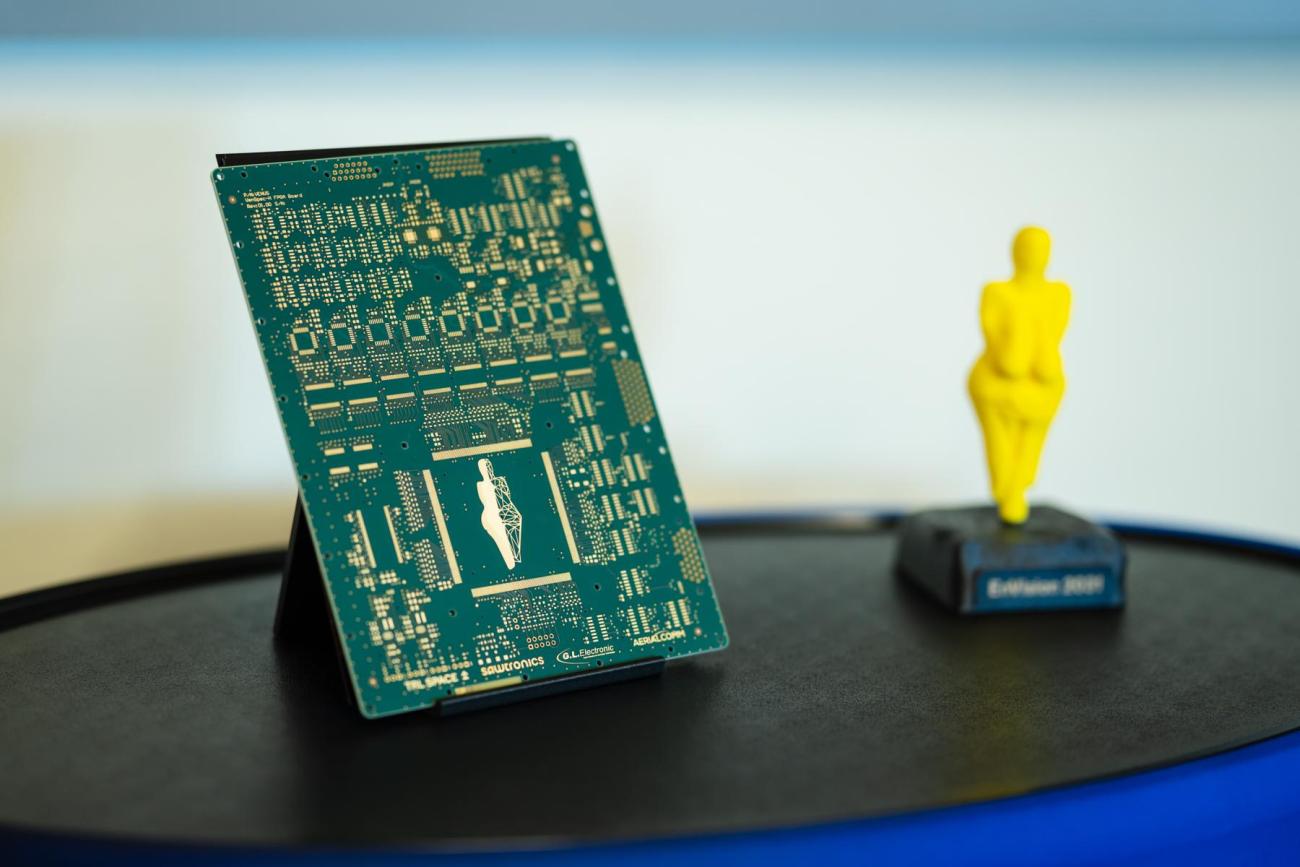
The project includes a symbolic gesture — one of the four electronic boards will feature a depiction of the Venus of Dolní Věstonice, the famous namesake of the planet, as a reminder of the Czech contribution to global science and culture.
The consortium meeting in Prague confirmed the strong position of Czech scientists and technical teams within European space research. The work of the EnVision/VenSpec-H project will contribute not only to a deeper understanding of Venus’s atmosphere but also to the development of advanced technologies for future planetary missions.