


Young talents of the Heyrovský Institute gathered at the Student seminar 2026
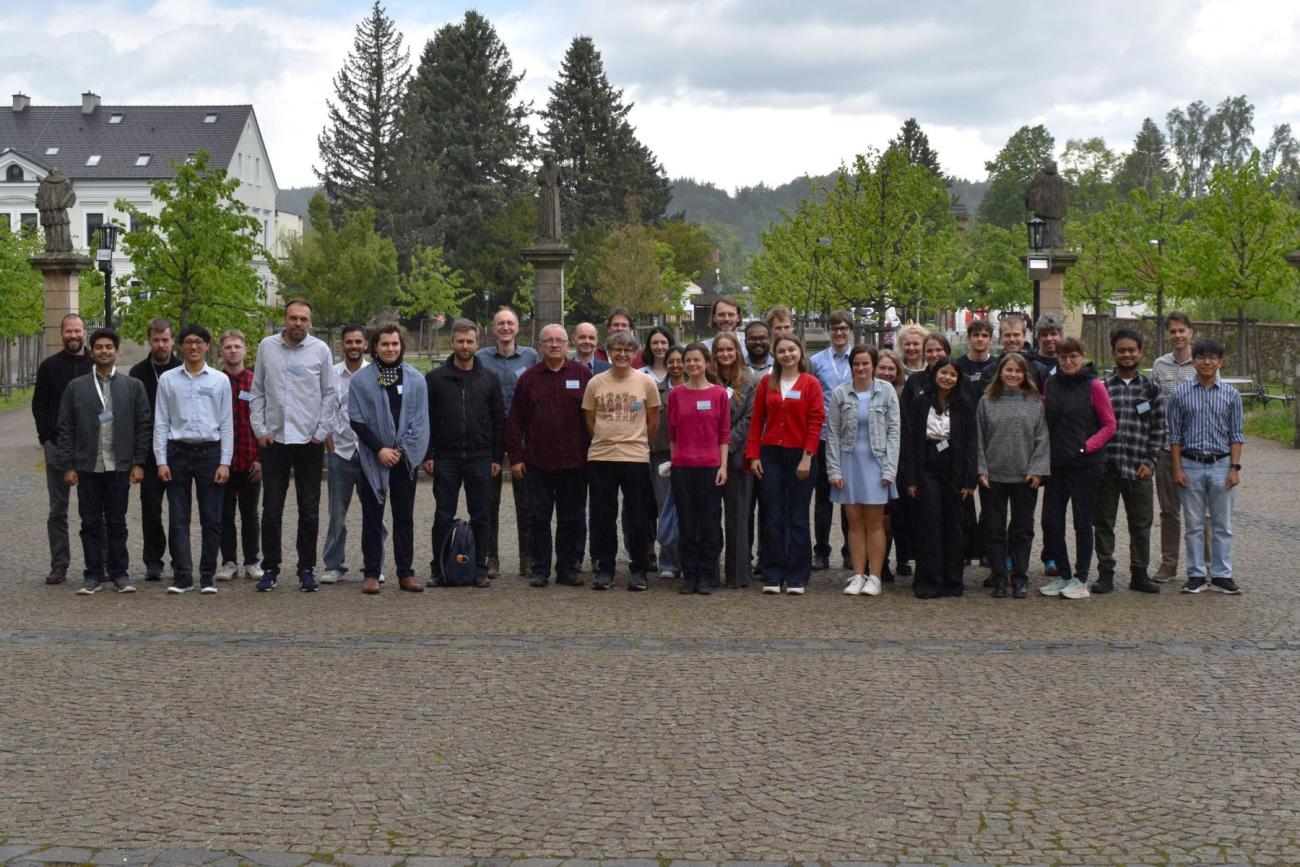
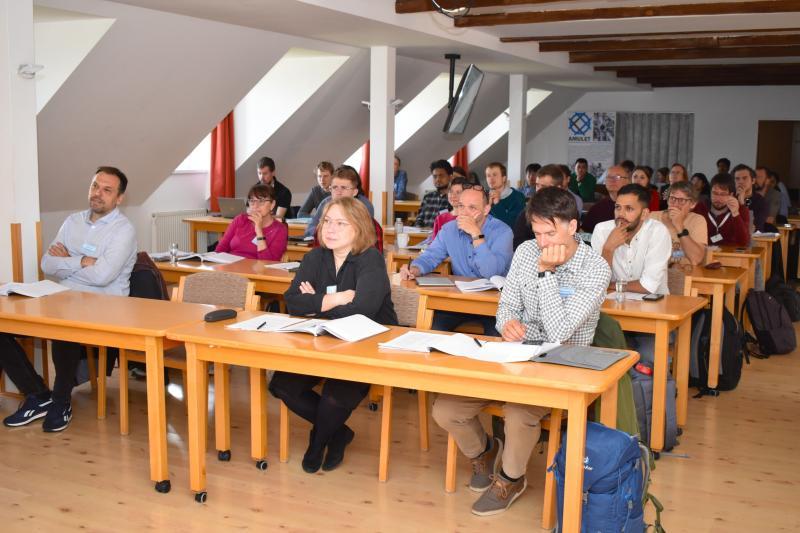
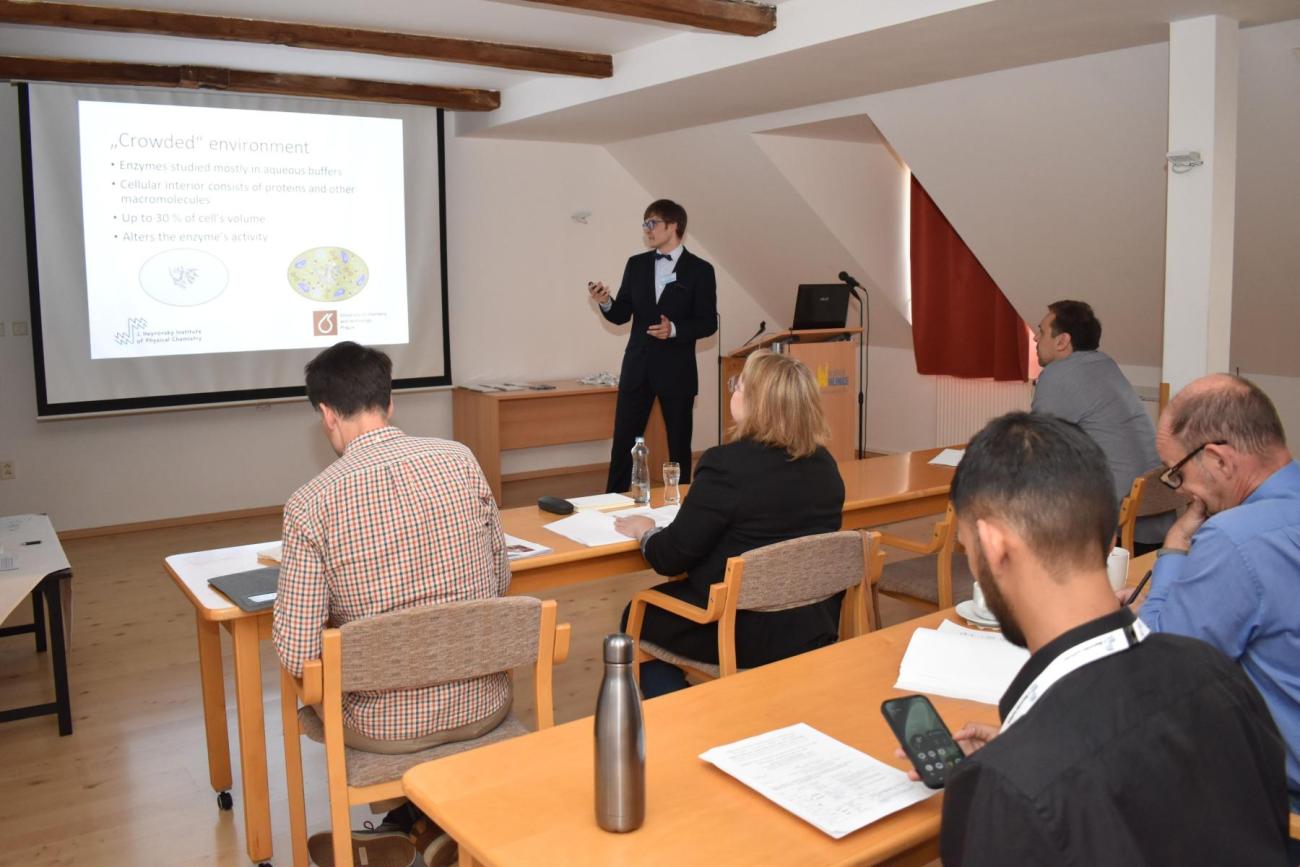
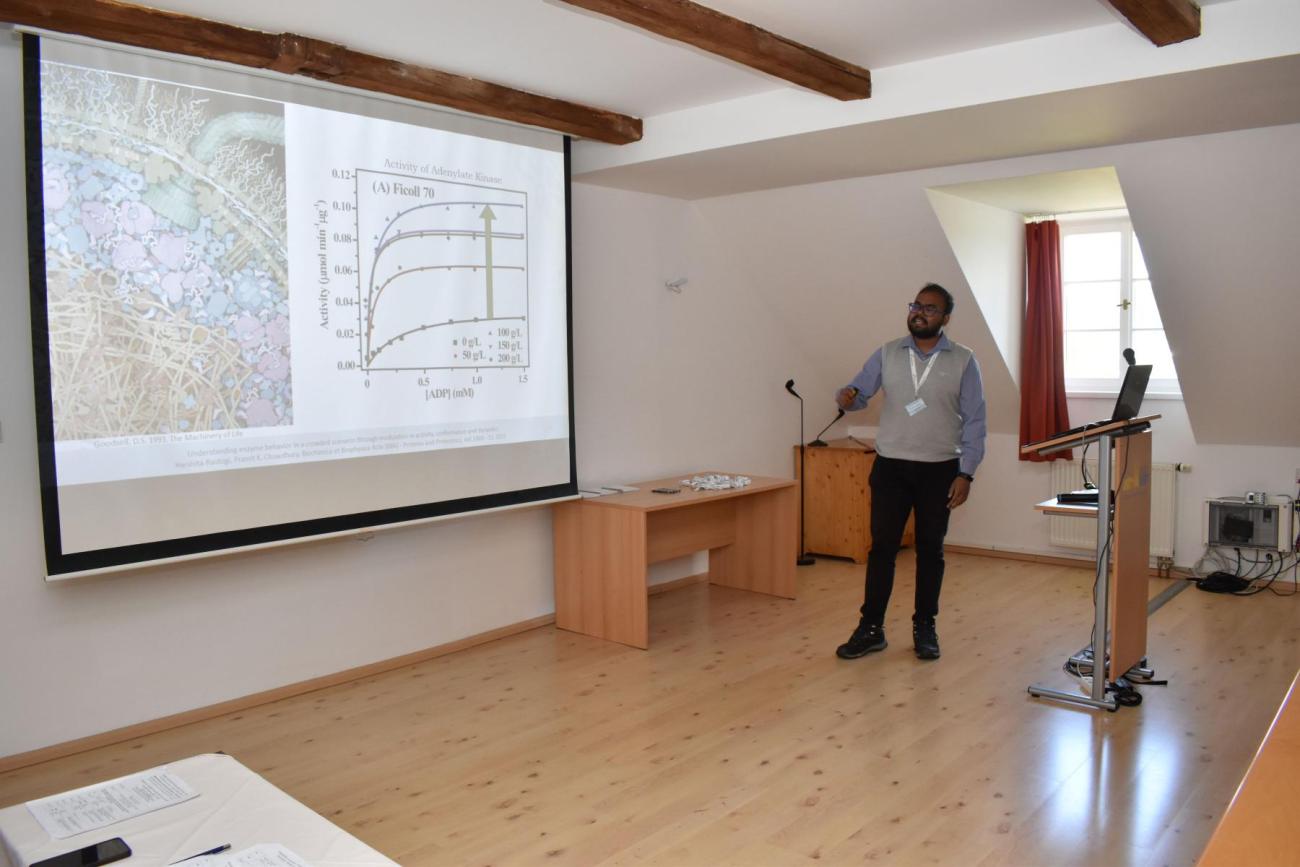
From May 13–14, 2026, the traditional Heyrovský Institute Student Seminar took place at the conference centre of the monastery in Hejnice. The two-day event, organized by Květa Stejskalová and Martin Srnec, welcomed a total of 40 participants — undergraduate and graduate students, PhD students, postdoctoral researchers, and their supervisors.
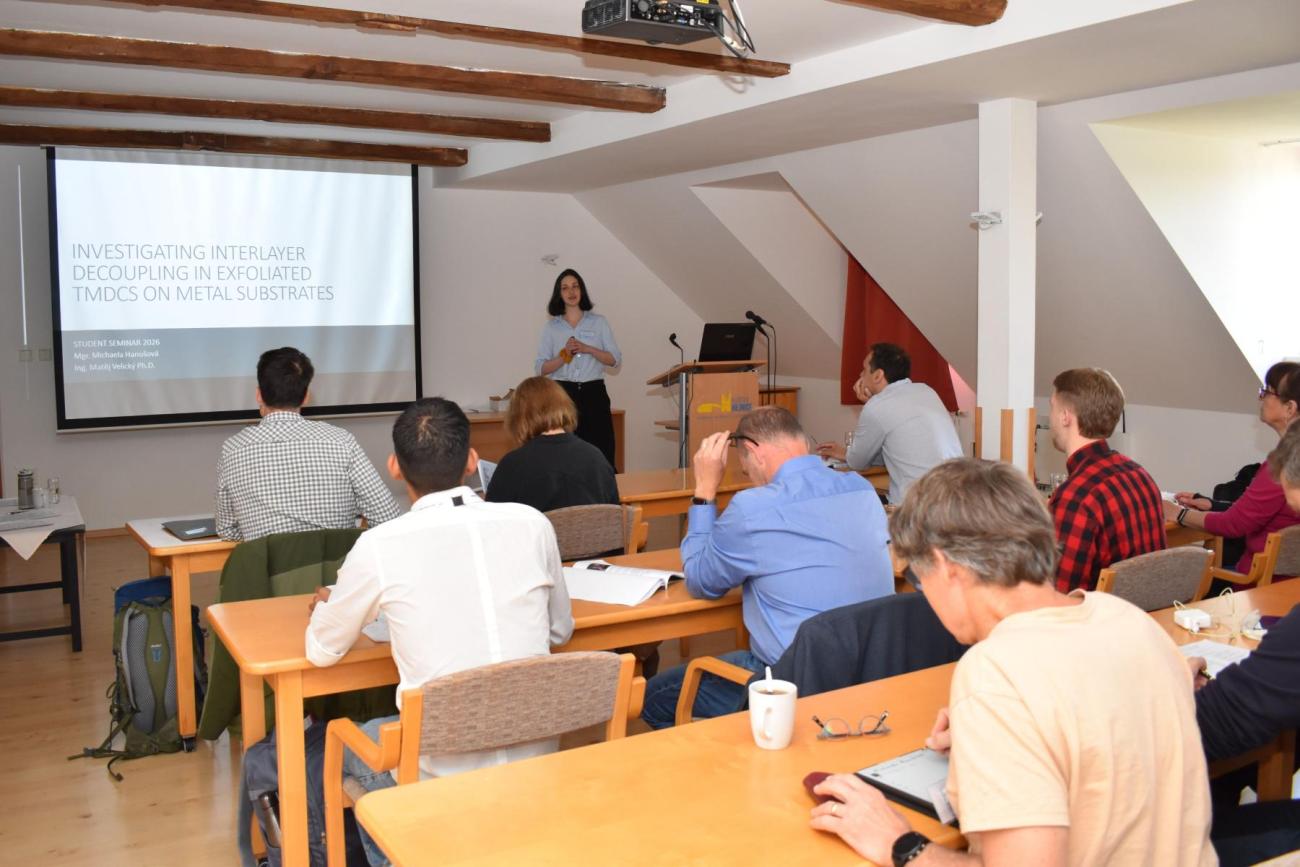
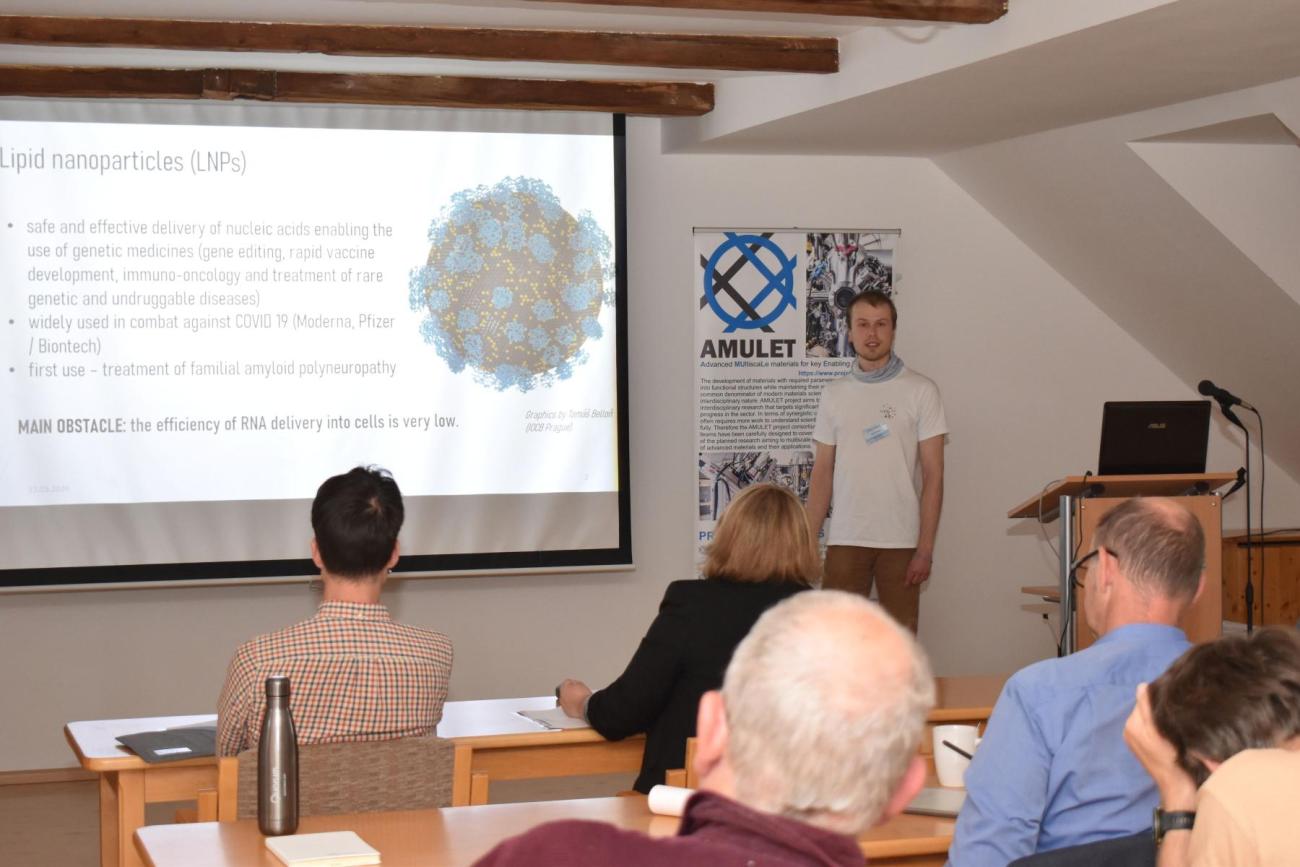
The conference provided a platform for presenting a broad spectrum of research topics across the disciplines pursued at the Heyrovský Institute — from electrochemistry, membrane systems, and molecular modelling to nanomaterials, biological applications, and advanced spectroscopic methods. An important part of the programme was also dedicated to the AMULET project, where young researchers involved in this international initiative presented their work.
In addition to PhD students, the seminar also gave space to bachelor’s and master’s students, as well as high school interns participating in the Czech Academy of Sciences’ Open Science programme. This diversity of participants highlighted the importance of supporting young scientists at various stages of their professional development.
When science continues beyond the laboratory
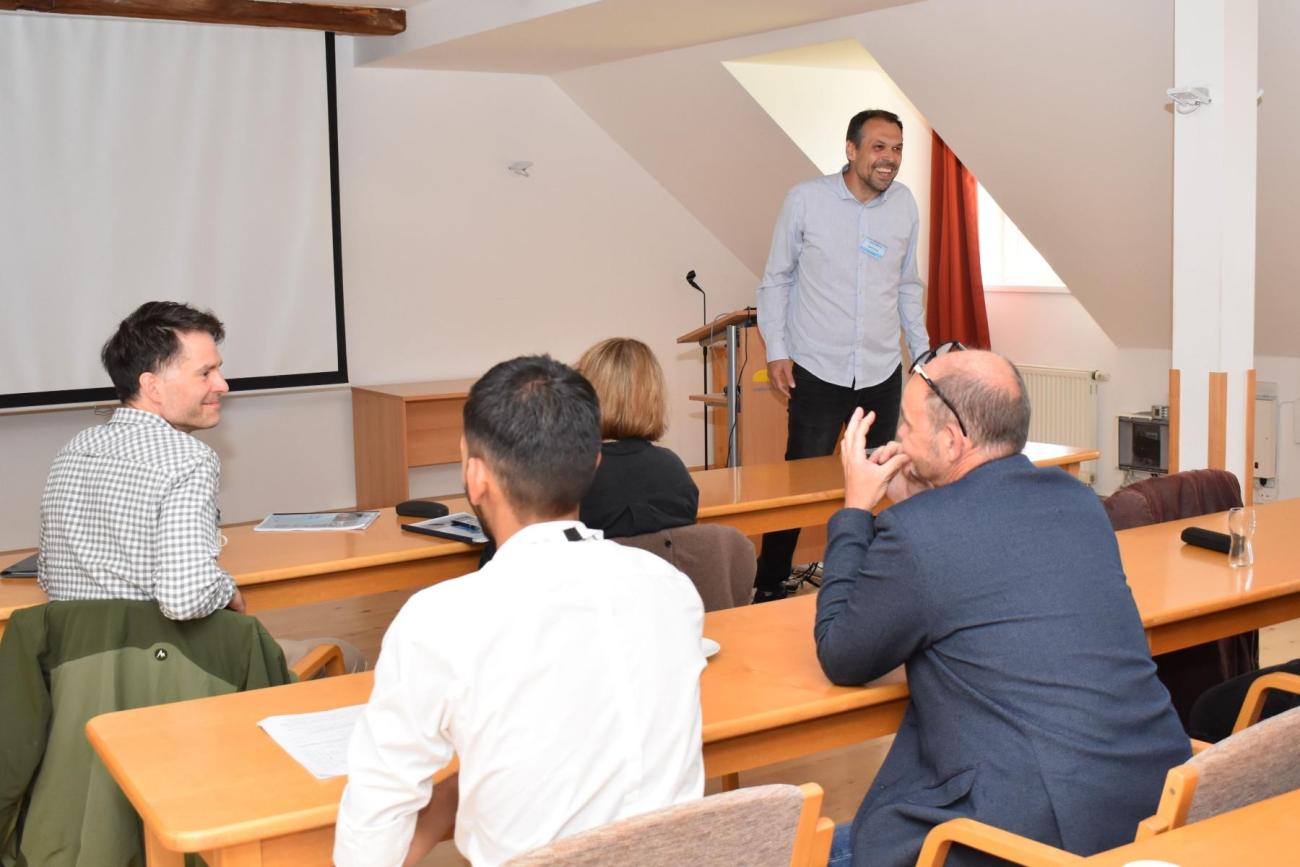
The seminar was not only about presenting research results. One of its greatest values was the informal atmosphere, which encouraged open discussions, the sharing of experiences, and the emergence of new interdisciplinary collaborations. Meeting outside the everyday laboratory environment created opportunities for conversations that often lead to new ideas, contacts, and future joint projects.
“In day-to-day work at the Institute, PhD students from different departments often do not meet at all. This seminar gives them the opportunity to learn what others are working on, exchange experiences, and inspire one another. Equally important is the social aspect — sometimes it is only here that someone discovers a colleague from another department is tackling a similar problem or mastering a technique that could help with their own research,” says seminar organizer Květa Stejskalová.
The scientific community in practice
According to Martin Srnec, such meetings are also essential for the future of science itself: “Michael Faraday’s famous motto ‘work, finish, publish’ should, in my opinion, be complemented by one more word: ‘present’ — clearly, simply, and with a strong message. It may be considered a soft skill, but it is certainly not an easy discipline. Those who master it have a great chance to succeed in science: to establish collaborations, inspire and motivate others, and gain support for their research. I am glad that our Institute continues this tradition and gives our students space every year to present, discuss, and listen to one another. Such meetings also have an important social dimension — younger colleagues have the opportunity to get to know people across departments and naturally build new connections.”
The seminar also included supervisors who continuously guide and support their students in their professional growth. Intergenerational exchange of experience and open communication between early-career and senior researchers were among the most valuable aspects of the event.
Awarded students
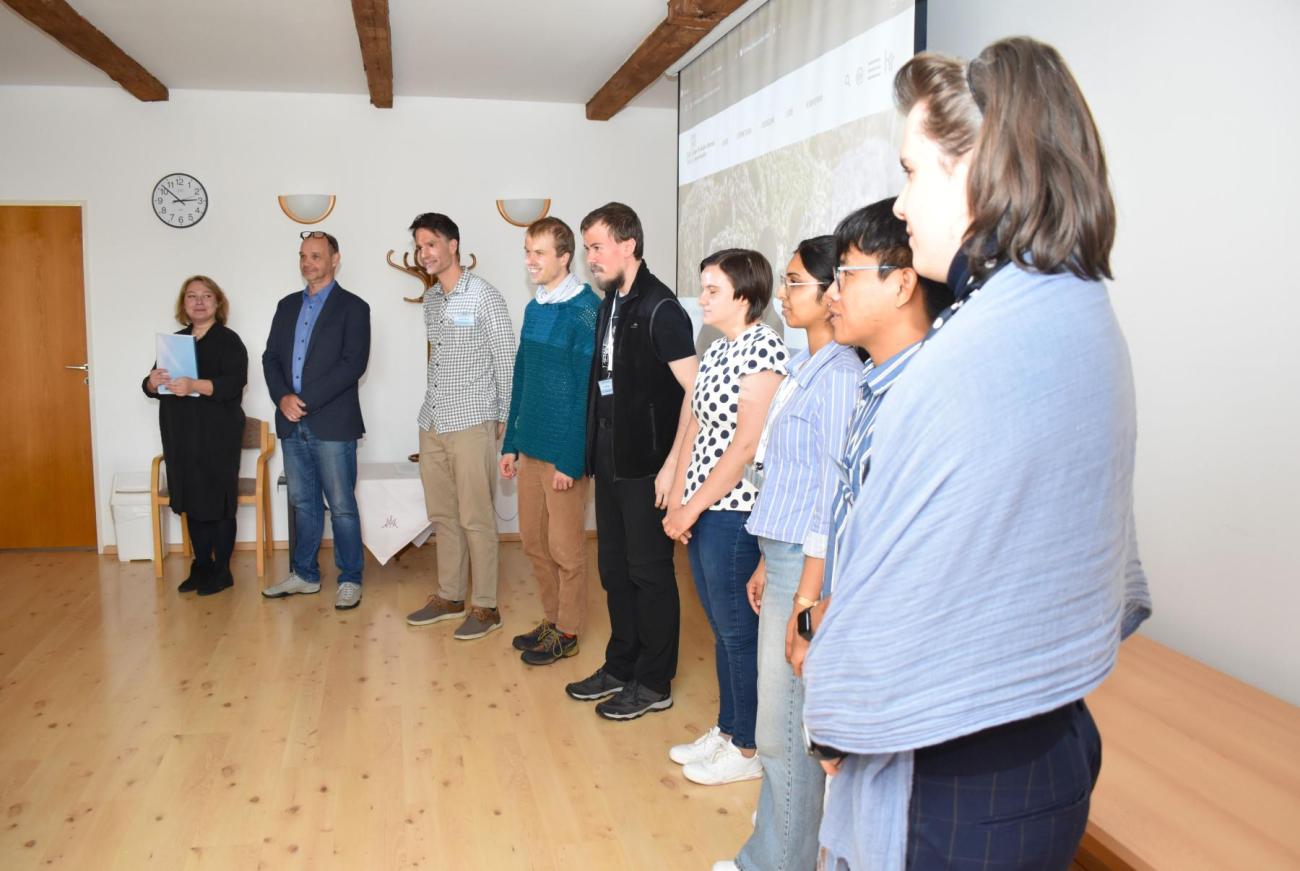
After evaluating a total of 24 presentations, the expert committee (Matěj Velický, Kinga Mlekodaj, and Michal Horáček) selected six presenters whose research results, presentation quality, rhetorical skills, and ability to engage in scientific discussion stood out significantly.
Among the awardees were four PhD students: Jan Šimek (biophysical research), Lucie Dostálková (electrochemical studies of pharmaceuticals), Ashwathi Poolamanna (computational chemistry), Chan Thar Soe (materials research). The committee also recognized university student Petr Vítek from the University of Chemistry and Technology Prague, who is completing his bachelor’s degree and conducts research in nanocatalysis, as well as high school student Michal Ševčík from a grammar school in Karviná. A former participant in the Open Science programme of the Czech Academy of Sciences, he prepared his analytical chemistry project as part of a high school research activity at the University of Pardubice.
The Student Seminar 2026 once again demonstrated that science is created not only in laboratories, but also through shared discussions, exchange of experience, and mutual inspiration. The organizers are already looking forward to the next edition and to meeting a new generation of talented researchers from the Heyrovský Institute.